Hey everyone, let’s cut to the chase because this is a question we get literally every week here at our OEM sunglasses shop: can you actually get OEM sunglasses with high-definition lenses? Spoiler alert – yeah, you can. A lot of people don’t realize “OEM” doesn’t mean cutting corners, right? Like, some folks think when you go the OEM route, you have to settle for lower quality parts, especially lenses, but that’s such an old myth, and we’re here to break it down today. First, let’s make sure we’re all on the same page about what OEM sunglasses even are. OEM stands for Original Equipment Manufacturer, which basically means we build the sunglasses that other brands sell under their own name – no fancy middleman, no brand markup, just straight-up custom builds that match exactly what a brand wants, from frame shape to lens tint, and yes, lens quality. A lot of our clients come to us because they want high-def lenses, but they’re nervous it’ll break the bank or that it won’t actually work with the OEM process, so let’s walk through how this actually works, no tech jargon, just real talk. OEM Sunglasses
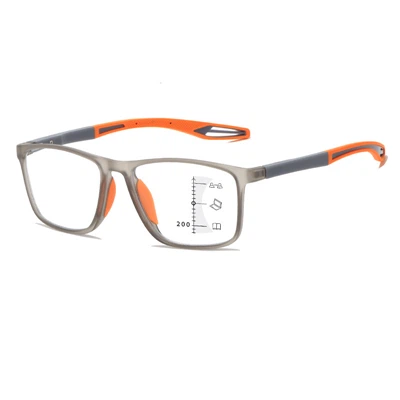
First, let’s talk about what makes a lens high-def, because that term gets thrown around so much it’s basically become a buzzword. When we say high-def lenses, we mean lenses that don’t distort your vision – like, if you look at a straight line through the lens, it stays straight, no waviness, no blurry edges, even at the peripheral vision. Most cheap sunglasses have lenses that are made by injection molding super fast, which can leave tiny imperfections, tiny bubbles, or uneven thickness that mess with your sight. High-def lenses, on the other hand, are usually made with better molding processes, or even ground and polished for precision, right? Here’s the thing as an OEM supplier: we don’t use one lens factory – we work with three different top-tier lens manufacturers across the US and Asia, depending on what our client needs. If a brand comes to us asking for high-def lenses, we don’t just grab whatever’s cheapest; we match their request to the right supplier. Let me give you an example: last quarter, a small outdoor sports brand came to us wanting OEM running sunglasses with polarized high-def lenses for trail runs. They tested three different lens types, and we hooked them up with a polycarbonate high-def lens that’s impact-resistant (critical for running, if you trip) and had 99.9% UV protection, no distortion. They loved it so much they doubled their order this month.
Wait, but why do people think OEM can’t do high-def? Oh right, because some fly-by-night OEM operations will cut corners to hit low prices. Like, if a client says “high-def lenses” and the supplier just gives them cheap lenses with a sticker that says “high-def” to save money, that’s garbage. But that’s not us, and that’s not the good OEM shops. Our whole business is built on repeat clients, so we don’t do that. Let’s get into the nitty-gritty of how the process works for high-def OEM lenses. First, when a brand sends us their specs – like frame design, lens size, color, and that non-negotiable “high-def” requirement – we first source a lens blank that meets ISO standards for optical clarity. For context, ISO 12312-1 is the standard for sunglasses, right? That requires that lenses don’t have distortion over a certain threshold, which is basically the baseline for high-def. If a brand wants extra premium, we can go above that – like, using CR-39 lenses, which are the same material used in prescription eyeglasses, so they’re ultra-clear, way less prone to distortion than plastic lenses. A lot of brands don’t realize that CR-39 is totally doable for OEM sunglasses, not just prescription ones, and it’s perfect for high-def needs because it’s lighter and clearer than most polycarbonate options for regular use.
Another big part of high-def lenses is polarization, if that’s something the brand wants. A lot of people ask if polarized is compatible with high-def, and yeah, 100% – as long as we use the right polarized film. The cheap polarized lenses use a film that’s stretched too thin, which can cause rainbow distortion when you look at certain screens or road surfaces. But the good polarized films from the top suppliers we work with don’t do that. We had a client last year that made fishing sunglasses, and they kept getting complaints about the polarized lenses distorting their view of the water. We switched them to a higher-grade polarized film for their OEM lenses, and the complaints dropped to zero. That’s the kind of attention to detail that comes with actually caring about high-quality OEM, not just churning out 10k pairs a day.
Wait, let’s address a common misconception: people think “high-def” means super expensive, so they hold back from asking for it for their OEM line. But as an OEM supplier, we can tailor high-def lenses to fit pretty much any budget, right? Because we have different tiers of high-def lenses. There’s the entry-level high-def that’s above the ISO baseline, great for everyday casual sunglasses, and then premium high-def with anti-glare coatings, scratch-resistant layers, even blue light filtering if the brand wants to make blue light-blocking sunglasses for work-from-home folks. A lot of small brands come to us thinking high-def is only for luxury lines, but no – we’ve done entry-level OEM sunglasses with high-def lenses that sell for $20 a pair, and they perform way better than the $10 drugstore pairs. The key is working with an OEM that has existing relationships with multiple lens suppliers, so we can match your order size and budget to the right lens grade, no need to overpay for what you don’t need.
Let’s also talk about customization, because that’s the whole point of going OEM, right? You don’t want generic sunglasses that look like every other pair on Amazon. High-def lenses can be customized just like any other lens in the OEM process. Want a custom tint that matches your brand’s logo color? We can do that, and it won’t mess with the high-def clarity. Want mirrored coatings? Yep, as long as we use the right coating that doesn’t leave streaks or distort the lens. Want prescription inserts for your high-def lenses? That’s totally doable too – we’ve done OEM sunglasses with interchangeable high-def prescription lenses for pilots, and that’s been a game-changer for that client.
Now, let’s be real for a second: there are limits, right? If you’re ordering a super tiny minimum order (some OEM shops have MOQs in the thousands, which can be a problem for new brands), we get that. Wait, we actually have flexible MOQs, starting at 500 pairs, which is perfect for new brands testing their line. But even with small orders, we can source high-def lenses. The only time we can’t do high-def is if a client is trying to make a pair of sunglasses out of, like, 100% recycled plastic that’s so opaque it distorts light – but that’s not a high-def lens issue, that’s a material issue, and we’ll be straight with you about that, no hidden stuff.
Another thing that comes up a lot: how do you test that the lenses are actually high-def, not just labeled as such? Great question. Any reputable OEM sunglasses supplier will send you a sample before you place a full order, and we do that without charging you, no fine print. When you get the sample, there are two quick tests you can do to check if the lenses are high-def. First, hold the sunglasses up to a straight line – like a door frame or a power line – and look through the center of the lens, then the edges. If the line is straight through all parts of the lens, that’s a sign of good clarity. Second, hold your sunglasses in front of a computer screen and tilt them a little. If you see rainbow lines or the screen looks warped, that’s a bad polarized lens, not high-def. We send every sample with a test sheet that explains those two tests, so our clients don’t have to guess.
I should also mention that high-def lenses are better for brand reputation. If you’re selling sunglasses that give your customers headaches from distorted vision, they won’t come back. We had a client a while back that switched from a cheap lens supplier to our high-def OEM lenses, and their repeat purchase rate went up 30% in six months. Why? Because their customers noticed the difference – no more squinting, no more eye strain after a long day wearing the sunglasses. That’s the kind of thing that builds a loyal customer base, way more than a cheap pair that falls apart after a week.
Wait, let’s talk about a recent project we did that’s a perfect example. A sustainable fashion brand came to us, wanted all their sunglasses to be eco-friendly, and they insisted on high-def lenses. They didn’t want to use plastic that’s not recyclable, so we worked with a supplier that makes high-def lenses from recycled polycarbonate – same clarity as new polycarbonate, just made from recycled water bottles. That’s the thing about being a flexible OEM: we can balance every request – eco-friendly materials, high-def clarity, custom branding, reasonable MOQs – all at the same time. That brand’s line launched last month, and their first batch sold out in two weeks, mostly because of the positive reviews about how clear the lenses are.
Now, I know some of you are probably thinking, “Yeah, but all OEM suppliers say that. How do I know you’re not just selling me a lie?” Fair. The sunglasses industry is full of sketchy suppliers that overpromise and underdeliver. That’s why we’ve been doing this for over 12 years, built a network of suppliers that we’ve vetted personally, and our clients range from small startup brands to mid-sized outdoor gear companies. We don’t do fake high-def lenses, we don’t charge hidden fees, and we’ll be 100% honest with you if a request you have isn’t possible – no fluff, no sales pitches.
So to circle back to the original question: Can you get OEM sunglasses with high-def lenses? 100% yes. But the key is choosing the right OEM partner – one that has access to high-quality lens suppliers, is transparent about their processes, can work with your budget and order size, and doesn’t cut corners on quality to make a quick buck.
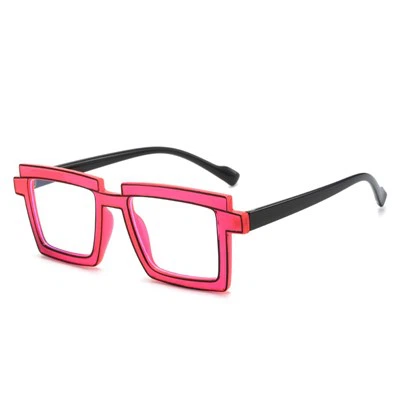
If you’re a brand looking to launch an OEM sunglass line and you want high-def lenses (or any other custom specs), hit us up. We’ll send you free samples, walk through the process step by step, and make sure you get exactly what you need without all the hassle. No runaround, no hidden fees, just good quality sunglasses built to your specs.
OEM Sunglasses References:
- ISO 12312-1:2015, Eye and face protection – Sunglasses and related eyewear – Part 1: Sunglasses for general use
- American National Standards Institute (ANSI) Z80.3-2022, Ophthalmic Optics – Spectacle Lenses
- World Health Organization (WHO) 2020, Global Report on Vision: Summary of Key Findings on Eye Protection
Yiwu Finewell Eyewear Co., Ltd.
Yiwu Finewell Eyewear Co., Ltd. one of the leading oem sunglasses manufacturers and suppliers in China. We warmly welcome you to buy or wholesale discount oem sunglasses from our factory. All customized products are with high quality and competitive price. Contact us for more details.
Address: Yiwu Wangshang Chuangye Building, No.407, Yongjun Road, Beiyuan Street, Yiwu City, Jinhua City, Zhejiang Province.
E-mail: Mariayang@ywfinewell.com
WebSite: https://www.finewelleyewear.com/
