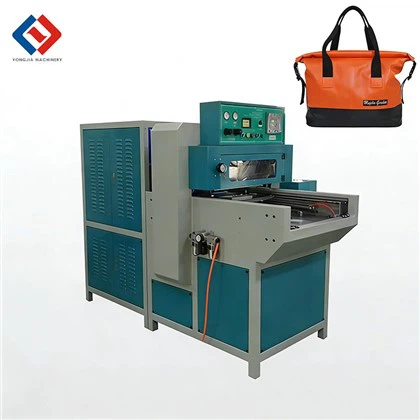
The power consumption of a plastic bag making machine is a crucial factor that both manufacturers and potential buyers need to consider. As a supplier of plastic bag making machines, I’ve encountered numerous inquiries regarding this aspect. In this blog, I’ll delve into the details of what influences the power consumption of these machines and provide some insights to help you make informed decisions. Plastic Bag Making Machine
Understanding the Basics of Power Consumption
Power consumption, measured in kilowatt – hours (kWh), represents the amount of electrical energy a machine uses over a specific period. For a plastic bag making machine, this is affected by multiple components and operations within the machine.
The primary power – consuming parts of a plastic bag making machine typically include the motor, heating elements (if it’s a heat – sealing machine), and control systems. The motor is responsible for driving the mechanical parts of the machine, such as the rollers that transport the plastic film, the cutting mechanism, and the bag – forming units.
Heating elements are crucial for heat – sealing plastic films together to form bags. In machines with advanced features like automatic feeding and stacking, additional power is required to operate the sensors, conveyors, and other automated components.
Factors Affecting Power Consumption
Machine Size and Capacity
Larger plastic bag making machines with a higher production capacity generally consume more power. A small – scale machine designed for a local shop might have a relatively low – power motor, perhaps around 1 – 3 kilowatts (kW). These machines are suitable for producing a limited number of bags per hour, usually in the range of a few hundred to a couple of thousand.
On the other hand, industrial – scale plastic bag making machines, which can produce tens of thousands of bags per hour, often have motors with power ratings of 5 kW or more. The larger the machine, the more energy is needed to drive its heavy – duty components and maintain high – speed operation.
Type of Plastic Bag
The type of plastic bag being produced also impacts power consumption. For example, producing thicker plastic bags requires more heat for sealing. If the machine uses heat – sealing technology, the heating elements will need to work harder and consume more power to reach and maintain the appropriate temperature for sealing the thicker material.
Similarly, bags with complex designs or additional features like handles or zippers may require more energy – intensive operations. Machines that can produce such specialized bags often have additional mechanisms and sensors, which contribute to higher power consumption.
Operating Speed
The speed at which the plastic bag making machine operates is directly related to its power consumption. Running the machine at a higher speed means that the motor has to work harder to drive the components faster. For instance, if a machine can operate at two different speeds, say 100 bags per minute and 200 bags per minute, running it at 200 bags per minute will consume significantly more power.
However, it’s important to note that increasing the speed doesn’t always result in a proportional increase in power consumption. Some modern machines are designed to be more energy – efficient at higher speeds due to advanced motor control systems and optimized mechanical designs.
Energy – Saving Features
Many of the plastic bag making machines we supply are equipped with energy – saving features. These can include variable – frequency drives (VFDs) for the motors. VFDs allow the motor to adjust its speed according to the actual load requirements of the machine. For example, when the machine is idling or operating at a lower production rate, the VFD can reduce the motor speed, thereby reducing power consumption.
Another energy – saving feature is the use of high – efficiency heating elements. These elements are designed to heat up quickly and maintain a stable temperature with less energy waste. Additionally, some machines have automatic power – off functions when they are not in use for a certain period, which helps to save electricity.
Calculating Power Consumption
To calculate the power consumption of a plastic bag making machine, you need to know the power rating of the machine (usually provided by the manufacturer in kilowatts) and the number of hours it operates. The formula for calculating power consumption is:
Power consumption (kWh)=Power rating (kW)×Operating hours
For example, if a plastic bag making machine has a power rating of 3 kW and operates for 8 hours a day, its daily power consumption would be 3 kW×8 hours = 24 kWh.
It’s important to note that this is a simplified calculation. In reality, the actual power consumption may vary depending on factors such as the machine’s load, operating conditions, and the efficiency of its components.
Impact on Operating Costs
The power consumption of a plastic bag making machine has a direct impact on the operating costs of a business. Higher power consumption means higher electricity bills, which can eat into the profit margins, especially for large – scale manufacturers.
When choosing a plastic bag making machine, it’s essential to consider not only the initial purchase price but also the long – term operating costs. A machine with a slightly higher purchase price but lower power consumption may be a more cost – effective choice in the long run.
Our Offerings as a Supplier
As a supplier of plastic bag making machines, we are committed to providing our customers with energy – efficient solutions. Our machines are designed with the latest technologies to minimize power consumption without sacrificing production quality and capacity.
We offer a wide range of machines, from small – scale models suitable for startups to large – scale industrial machines for high – volume production. Our technical team can provide detailed information about the power consumption of each machine and help you choose the most suitable one based on your production requirements and budget.
We also offer after – sales support, including installation, maintenance, and training. Our technicians are trained to ensure that the machines are operating at their optimal efficiency, which can further reduce power consumption.
Conclusion and Call to Action
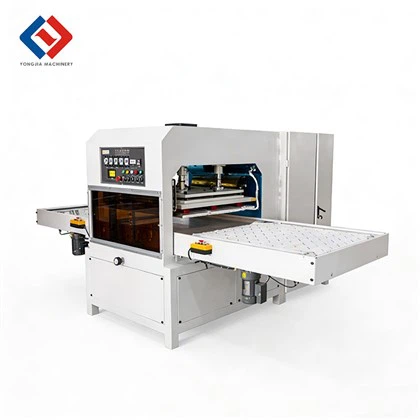
In conclusion, understanding the power consumption of a plastic bag making machine is essential for making informed purchasing decisions. By considering factors such as machine size, type of bag, operating speed, and energy – saving features, you can choose a machine that meets your production needs while keeping your operating costs under control.
Fully Automatic Production Line If you are interested in learning more about our plastic bag making machines and their power consumption, or if you have any specific requirements for your plastic bag production business, please feel free to contact us. We are here to assist you in finding the best solution for your needs.
References
- "Handbook of Plastic Bag Manufacturing Technology", Industry Press, 2018
- "Energy – Efficient Industrial Machinery", Academic Journal of Engineering, 2020
- "Analysis of Power Consumption in Plastic Processing Equipment", International Journal of Manufacturing Science, 2019
Dongguan Yongjia Machinery Equipment Co., Ltd.
We are one of the most reliable plastic bag making machine manufacturers and suppliers in China, specialized in providing high quality customized service. Please feel free to wholesale advanced plastic bag making machine at low price from our factory. For quotation, contact us now.
Address: No. 240, Chashan South Road, Chashan Town, Dongguan City, Guangdong Province, China
E-mail: info@yjwelding.com
WebSite: https://www.yjhighfrequencymachine.com/
