As a supplier of super conductive materials, I am acutely aware of both the immense potential and the associated safety concerns that come with these remarkable substances. Super conductive materials, known for their ability to conduct electricity with zero resistance when cooled below a certain critical temperature, have opened up a new frontier in various fields such as energy transmission, medical imaging, and high – speed transportation. However, a comprehensive understanding of safety aspects is crucial for their widespread and secure use. Super Conductive Material

Temperature – related Safety Concerns
One of the primary challenges in working with super conductive materials is the need to maintain extremely low temperatures. Most conventional superconductors require temperatures close to absolute zero (-273.15 °C), which is achieved using cryogenic fluids like liquid helium. Handling liquid helium involves significant risks.
Firstly, liquid helium is extremely cold. Contact with unprotected skin can cause severe frostbite almost instantaneously. The rapid cooling effect can damage cells and tissues, leading to long – term complications such as nerve damage. Workers dealing with cryogenic systems need to be fully equipped with appropriate protective gear, including insulated gloves, face shields, and cryogenic – resistant suits.
Secondly, liquid helium is a cryogenic liquid that can rapidly expand into a large volume of gas when it warms up. In a confined space, the sudden increase in gas volume can create extremely high pressures, leading to container rupture or even explosions. Adequate ventilation systems are essential in facilities where liquid helium is used to prevent the build – up of high – pressure helium gas. Additionally, pressure – relief devices should be installed in cryogenic storage and transportation containers to prevent over – pressurization.
For high – temperature superconductors (HTS), which can operate at relatively higher temperatures (but still often below -100 °C), liquid nitrogen is commonly used for cooling. Although liquid nitrogen is less expensive and easier to handle compared to liquid helium, it also presents its own set of safety risks. Liquid nitrogen can displace oxygen in a closed environment, creating an asphyxiation hazard. Workers need to be trained to recognize the symptoms of oxygen deficiency, such as dizziness, shortness of breath, and confusion. Oxygen monitoring systems should be installed in areas where liquid nitrogen is used to ensure safe working conditions.
Electrical Safety
While superconductors are known for their zero – resistance property, faults in a superconducting system can lead to unexpected electrical hazards. In a superconducting power cable, for example, if there is a break in the superconductor or a sudden transition from the superconducting state to the normal conducting state (a phenomenon called "quenching"), a large amount of electrical energy can be released in a short period.
Quenching can occur due to various reasons, such as mechanical shock, excessive current, or a local increase in temperature. When quenching happens, the resistance of the superconductor suddenly increases from zero to a finite value. This can cause a rapid increase in heat generation, which may further damage the superconductor and the surrounding components. Additionally, the sudden change in electrical properties can lead to voltage spikes and current surges in the electrical network, which may damage other connected equipment.
To mitigate these risks, superconducting systems are often equipped with protection circuits. These circuits are designed to detect the onset of quenching and quickly disconnect the superconducting element from the power source. Temperature and voltage sensors are used to monitor the state of the superconductor continuously. In addition, proper insulation materials are essential to prevent electrical arcing and short – circuits in superconducting devices.
Magnetic Field Safety
Superconductors are capable of generating extremely strong magnetic fields, which are utilized in applications such as magnetic resonance imaging (MRI) machines and high – energy particle accelerators. However, strong magnetic fields can pose risks to both human health and electronic devices.
Exposure to strong magnetic fields can have biological effects on the human body. Although the exact mechanisms are still being studied, research has suggested that long – term exposure to high – strength magnetic fields may affect the human nervous system, the cardiovascular system, and even the genetic material. Workers in facilities with superconducting magnets should be monitored regularly for any signs of health problems related to magnetic field exposure.
In addition to the potential health risks to humans, strong magnetic fields can also interfere with electronic devices. Electronic implants such as pacemakers, cochlear implants, and insulin pumps can be affected by magnetic fields, potentially leading to device malfunction. Therefore, strict access control should be implemented around areas with superconducting magnets. Warning signs should be clearly posted to alert people with electronic implants to stay away from these areas.
Chemical and Material Safety
Some superconducting materials may contain toxic or hazardous chemicals. For example, certain types of high – temperature superconductors contain elements such as barium, copper, and yttrium. Although these elements are generally stable in the superconductor structure, there is a risk of their release if the material is damaged or processed inappropriately.
During the manufacturing process of superconducting materials, chemical substances such as solvents, acids, and alkalis are often used. These chemicals can be corrosive, flammable, or toxic. Workers need to follow strict safety protocols when handling these chemicals, including wearing appropriate personal protective equipment, using proper storage containers, and ensuring proper ventilation in the workspace.
In the event of a spill or accident involving chemical substances used in superconductor production, emergency response procedures should be in place. This includes having spill – control kits available and training workers on how to handle chemical spills safely.
Environmental Safety
The large – scale use of superconducting materials also has implications for environmental safety. The production and disposal of superconducting materials need to be carefully managed to minimize their impact on the environment.
As mentioned earlier, the use of cryogenic fluids such as liquid helium and liquid nitrogen can have environmental consequences. Liquid helium is a finite resource, and its extraction and production require significant energy. On the other hand, liquid nitrogen, when released into the atmosphere, can contribute to the depletion of the ozone layer if it contains certain impurities.
In addition, the disposal of superconducting materials at the end of their life cycle needs to be carried out in an environmentally friendly manner. Some superconducting materials may contain heavy metals or other pollutants that can contaminate soil and water if not properly disposed of. Recycling programs should be developed to recover valuable materials from used superconducting products and minimize waste.
Mitigating Safety Risks
To ensure the safe use of superconducting materials, it is essential to implement a comprehensive safety management system. This system should include proper training for workers, regular safety inspections, and the development of emergency response plans.
Workers who handle superconducting materials and related equipment should receive in – depth training on safety procedures. This includes training on the proper handling of cryogenic fluids, the operation of electrical protection circuits, and the use of personal protective equipment. Regular safety drills should be conducted to ensure that workers are prepared to respond to emergencies.
Regular safety inspections of superconducting facilities and equipment are also crucial. These inspections should cover all aspects of the system, including the integrity of cryogenic containers, the functionality of electrical protection circuits, and the effectiveness of ventilation systems. Any potential safety hazards should be identified and addressed promptly.
Finally, emergency response plans should be developed to handle accidents such as cryogenic spills, electrical faults, and magnetic field – related incidents. These plans should include procedures for evacuating the area, providing first – aid to injured workers, and minimizing the environmental impact of the accident.
At our company, we take safety very seriously. We are committed to providing high – quality superconducting materials while ensuring the safety of our customers and employees. We continuously invest in research and development to improve the safety features of our products and to minimize the associated risks.
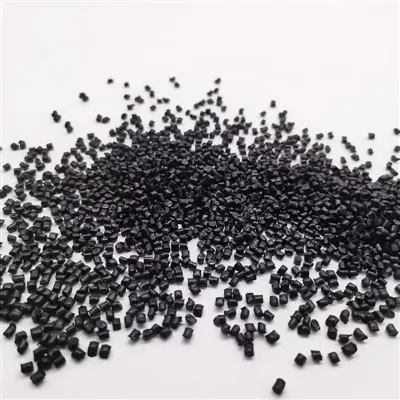
If you are interested in purchasing superconducting materials for your project, we encourage you to contact us. Our team of experts will be happy to answer any questions you may have regarding the safety and application of our products. We look forward to working with you to explore the exciting possibilities that superconducting materials offer while ensuring a safe working environment.
Antistatic Additives References
- Tinkham, M. (2004). Introduction to Superconductivity. Dover Publications.
- Goldacker, W., & Krafft, C. (2005). High – Temperature Superconducting Cables for Electric Power Applications. Wiley – VCH.
- Hazewski, B. (2008). Magnetic Resonance Imaging: Physical Principles and Sequence Design. Wiley – Interscience.
Jiangxi Sugo Advanced Materials Co., Ltd.
With abundant experience, we are one of the most professional super conductive material manufacturers in China. Please feel free to buy high quality super conductive material in stock here and get free sample from our factory. We also accept customized orders.
Address: 1st Fugong Rd, Futian Industrial Park, Dingnan, Ganzhou City, Jiangxi Prov., R.P.C 341900
E-mail: EILEEN@SUGOPLAS.COM
WebSite: https://www.sugo-esd.com/
