Hey there, if you’ve ever rocked a pair of acetate frames, you know how they can pull a whole look together—whether you’re grabbing coffee, heading to a meeting, or just lounging on the weekend. As someone who’s been in the acetate frames game for years, I get so many questions from customers: “Do these things need special care? I thought plastic was plastic, right?” Spoiler: acetate is NOT regular plastic, and it definitely needs a little extra love if you want it to stay looking sharp for years. Let’s break this down like I’m chatting with you over a cold drink, no stuffy jargon allowed. Acetate Frames
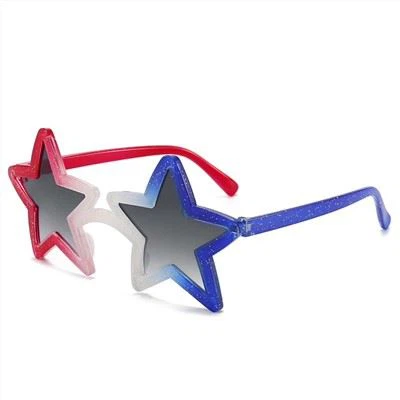
First, let’s get one thing straight—acetate isn’t the cheap stuff you get from a dollar store toy. It’s made from cotton linters and wood pulp, so it’s a cellulose-based material that’s way more durable and high-end than basic plastic. But that also means it has its own quirks, kind of like how your favorite leather jacket needs different care than a cotton tee. I see so many people make the mistake of treating acetate frames like they’d treat their old plastic sunglasses, and it bums me out when they end up with scratches, discoloration, or even cracks. Let’s start with the most common mistakes people make, because that’s where it all goes wrong.
First up: harsh cleaners. I can’t tell you how many times a customer has told me they used Windex or glass cleaner to wipe down their frames. Bad call. Those chemicals have ammonia and other strong stuff that eats away at the finish on acetate over time. The frame might start to look dull, like it’s lost its shine, and the color can fade—especially if you’re wiping them down every day with that stuff. I always tell my team to remind customers: use mild, soapy water. Like, the same kind you’d use to wash your hands. A drop of dish soap, warm water, a soft microfiber cloth (the one you use for your glasses, not the scratchy towel from the kitchen). That’s it. No need for anything fancy. I’ve had people ask me if they can use lens wipes—wait, not the ones with chemicals for eyeglass lenses. A lot of regular lens wipes have alcohol in them, which is another enemy of acetate. Stick to the plain, alcohol-free ones, or just the soapy water and microfiber.
Next, heat is the big one. Acetate can warp if it gets too hot, and I’m not just talking about leaving them in your car on a 90-degree day (though that’s definitely a no-no). I’ve had customers send me frames that warped because they left them on the dashboard while they ran into the store, or even propped them on top of a laptop while they worked. Laptops get pretty hot, especially when they’re charging, and that constant heat can make the frame bend out of shape. I once had a guy bring in his favorite acetate sunglasses that he left on the roof of his car while he grabbed lunch—by the time he came back, the arms were curled up like a taco. Fixing that is possible sometimes, but it’s a hassle, and it’s totally preventable. My rule of thumb: if it’s too hot to touch comfortably, don’t put your acetate frames near it. No car dashboards, no top of radiators, no inside your gym bag right after a workout (your body heat and sweat add up too, by the way).
Speaking of sweat—let’s talk about that. I know, when you’re working out or out in the sun all day, your glasses are gonna get sweaty. Sweat has salts and oils in it, and if you let that sit on your acetate frames, it can break down the finish over time. I always tell my customers to wipe their frames down at the end of the day, especially if they’ve been sweating a lot. A quick wipe with that microfiber cloth or a damp soapy cloth gets rid of the gunk. And don’t just toss them in your bag or pocket when they’re sweaty—let them air out a little first. I keep a small microfiber cloth in my bag and my car, just for my own frames, and it’s saved me so many times.
Scratches are another big issue, and people think because acetate is durable, it can’t scratch. Wrong. It scratches easier than you think, especially if you’re rubbing them with a rough cloth, or putting them in a case without a soft lining. Wait, speaking of cases—get a proper case for your acetate frames, not that flimsy plastic one that comes with cheap sunglasses. A hard case with a soft interior, or even a soft cloth pouch, is key. If you just throw them in your bag with your keys, your phone, and your wallet, those keys are gonna scratch the arms or the front of the frame in no time. I’ve had customers come to me with frames that have deep scratches because they didn’t have a case, and while we can buff out light scratches sometimes, deep ones are permanent. It’s worth spending a few bucks on a good case—way cheaper than buying new frames every couple months.
Wait, what about adjusting the frames? A lot of people try to adjust their acetate frames themselves, right? Like, if the arms are too loose or too tight, they’ll bend them a little with their fingers. That’s not a great idea. Acetate is flexible, but if you bend it too much or in the wrong spot, it can crack or snap. I always recommend taking them to a professional who works with eyeglasses, or even us if you bought your frames from us—we do free adjustments for our customers, no extra charge. We know exactly how much to bend the arms without damaging the frame, so you don’t have to stress about breaking your favorite pair. I’ve seen so many people snap a frame because they tried to adjust it themselves, and that’s such a avoidable mistake.
Another thing that surprises people: sunlight. Too much direct sunlight can make acetate frames fade over time, especially if they’re brightly colored. I have a pair of red acetate sunglasses that I leave in my car when I’m not using them, and after a year, the red got a little pinker. Not a huge deal, but if you want your frames to stay vibrant, don’t leave them in direct sunlight for hours every day. If you’re wearing them outside, that’s fine, just don’t store them in the sun. I keep my stored frames in a drawer in my closet, away from windows, and they stay looking brand new.
Wait, let’s talk about something that’s not just physical care—how you wear them. A lot of people grab their frames by the front when they take them off, right? That puts pressure on the bridge, and over time, can make the frame loose or even crack. Instead, grab them by the arms, the sides. That distributes the weight, and keeps the frame from getting damaged. I used to do this too, until one of our customers pointed it out to me, and now I make a conscious effort every time. It’s a small habit, but it adds up.
Now, I know what some of you are thinking: “This sounds like a lot of work. Isn’t acetate supposed to be durable?” Here’s the thing—acetate is way more durable than plastic, but it’s not indestructible. The care it needs is minimal, honestly. It’s just a few small habits that take five seconds, and it keeps your frames looking great for years. I’ve had customers who’ve had their acetate frames for 5, 10, even 15 years, and they still look almost brand new, because they follow these simple tips. Compare that to the cheap plastic frames that crack or fade after a year—acetate is worth the little extra care.
Let me also address some myths I hear all the time. Some people say you can’t repair acetate frames at all. That’s not true. Light scratches can be buffed out with a special polishing compound, and small cracks can be glued (though that’s best left to a pro). Warped frames can sometimes be adjusted with heat, like using a hair dryer on low heat to gently bend them back into shape. But again, if you do that wrong, you can damage them more, so it’s better to get a professional to do it.
Another myth: you can use nail polish remover to fix scuffs. NO. Nail polish remover has acetone, which is exactly what acetate is made from—so it will literally dissolve the frame. I can’t stress that enough. If you get a scuff, don’t reach for the nail polish remover. Use a little bit of mild soap and water, or a polishing cream made for acetate. We actually carry a small care kit for our customers, which has the soap, a microfiber cloth, and a polishing cloth, for like $10. It’s nothing, and it’s perfect for keeping your frames in shape.
As someone who’s been selling acetate frames for years, I’ve seen all the good and bad when it comes to care. The customers who take a little time to look after their frames have them for ages, and they rave about how much they love their pairs. The ones who cut corners end up having to replace them every year, which is more expensive in the long run, honestly. Acetate frames are an investment—they’re timeless, they’re high-quality, and they look way better than cheap plastic. A little care is all it takes to make that investment last.
Wait, let’s wrap this up with a quick recap, so it’s easy to remember. Do acetate frames need special care? Yeah, a little, but it’s nothing complicated. Here’s the cheat sheet:
- No harsh chemicals (Windex, alcohol, nail polish remover) – use mild soap and warm water.
- Keep them away from heat (car dashes, radiators, laptops) to prevent warping.
- Wipe them down after sweating, and air them out before storing.
- Use a soft-lined case to avoid scratches – no tossing them in your bag with keys.
- Get a pro to adjust them, don’t bend them yourself.
- Store them away from direct sunlight to keep the color vibrant.
- Grab them by the arms, not the front, when taking them off.
That’s it. Seven simple tips, and your acetate frames will look like new for years. I’ve been using these for my own frames, and I still have a pair I bought when I first started in this business, 12 years ago, that I wear all the time. They’re a little scuffed, but they have so much character, and they still fit perfectly. There’s no way I could say that about a pair of plastic frames I bought back then.
If you’re in the market for acetate frames, or you have a pair that’s been looking a little worse for wear, don’t hesitate to reach out. We’re here to help with any questions about care, adjustments, or picking out the perfect pair for your style. No stuffy sales talk, just real advice from someone who’s been in the game for years, and who cares about our customers getting the most out of their frames. Whether you need a quick tip, a repair, or just want to browse our latest collection, we’re here to chat.

At the end of the day, acetate frames are all about style and longevity. A little special care goes a long way, and it’s what separates the frames you wear once from the ones you keep for a lifetime. Don’t overlook the small stuff—your frames (and your wallet) will thank you.
OEM Sunglasses References:
- The Acetate Book: A Guide to Cellulose Acetate for Eyewear and Accessories, International Cellulose Society, 2021.
- Eyewear Material Care: Best Practices for Acetate Frames, Optical Trade Association, 2022.
- Maintenance Tips for High-End Eyewear, Luxury Goods Care Council, 2023.
Yiwu Finewell Eyewear Co., Ltd.
Yiwu Finewell Eyewear Co., Ltd. one of the leading acetate frames manufacturers and suppliers in China. We warmly welcome you to buy or wholesale discount acetate frames from our factory. All customized products are with high quality and competitive price. Contact us for more details.
Address: Yiwu Wangshang Chuangye Building, No.407, Yongjun Road, Beiyuan Street, Yiwu City, Jinhua City, Zhejiang Province.
E-mail: Mariayang@ywfinewell.com
WebSite: https://www.finewelleyewear.com/
