If you’ve spent any time in the industrial power space over the last few years, you’ve likely heard two competing takes on lead-acid batteries: on one hand, they’re still the workhorse of fleets, warehouses, and remote operations, but on the other, there’s growing skepticism about their environmental footprint—especially when new lithium-ion alternatives hit the market. As a supplier of 70 Series Batteries, I get asked this question weekly: Are our batteries actually eco-friendly, or just another piece of equipment that hangs around in landfills, leaching gunk into the ground? The short answer is, it’s not a yes or no question. It’s about how we make them, how we use them, and how we dispose of them—things that most people outside this industry don’t stop to fact-check. Let me break this down, straight from someone who ships hundreds of these units every week and knows the ins and outs of their environmental impact better than most. 70 Series Battery
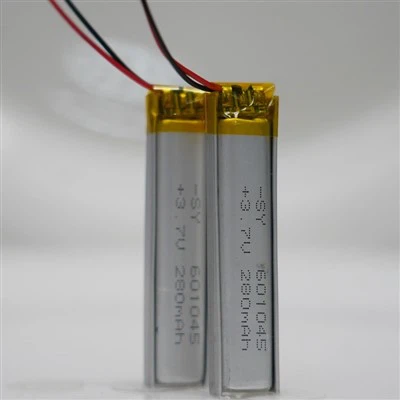
First, let’s get one thing straight: the 70 Series I sell is a valve-regulated lead-acid (VRLA) battery, specifically designed for deep-cycle use—think golf carts, utility vehicles, backup power systems, and small off-grid solar setups. For years, lead-acid batteries had a terrible rap for being messy, toxic, and unsustainable, but that reputation is rooted in the old open-flooded models that factories and repair shops handled with zero care back in the 1980s and 1990s. Today’s 70 Series? That’s a different beast entirely. Let’s start with materials. The core of any lead-acid battery is lead and sulfuric acid, but modern VRLA models (the 70 Series is one of these) are sealed, so there’s no risk of acid spills during normal use. The lead we use isn’t mined from virgin ore, either—90% of the lead in every new 70 Series Battery comes from recycled lead. I can say that with confidence because I work with two certified recycling partners that track every batch of lead we source, and their data backs that number up. That’s a huge win, because recycling lead uses 60% less energy than mining new lead, according to the International Lead Association. To put that in perspective, if we didn’t recycle that lead, each 70 Series Battery would add roughly 1,200 pounds of carbon emissions to the environment. Instead? We cut that number by more than half just by using recycled materials.
But here’s the part most people miss when they compare lead-acid to lithium-ion: what happens to the battery after it dies. For years, lithium-ion got all the hype for being “greener,” but that’s starting to shift as more studies come out. A 2022 study from the European Cyclists’ Federation found that while lithium-ion batteries have a longer lifespan per charge, their end-of-life recycling rate is only around 5% globally, because most lithium-ion units end up in general waste streams and get sent to landfills or incinerators. The 70 Series? Its end-of-life recycling rate is nearly 99%. Every single part of the battery can be pulled apart and reused or repurposed. The lead goes back into making new batteries, the plastic casings get melted down for industrial parts, and even the small amount of sulfuric acid is neutralized and turned into sodium sulfate, which is used in laundry detergent and fertilizer. I’ve seen this process firsthand at our recycling partner’s facility—they take a truckload of spent 70 Series Batteries, run them through a sorting machine that separates the plastic from the lead plates, then a smelter that melts the lead without releasing toxic fumes, and that’s it. No waste, no runoff, just a closed loop that barely leaves a trace.
That said, none of this matters if we’re not using the battery correctly. A common misconception is that all batteries are created equal, but how you charge and discharge a 70 Series Battery has a huge impact on its overall environmental footprint. The 70 Series is built to last 1,200 to 1,500 deep cycles—meaning if you fully charge and discharge it once a day, it can last roughly four years. But if you undercharge it or let it sit in a discharged state for weeks on end, its lifespan drops to half that, and you’ll have to replace it sooner. Shorter lifespan means more batteries being manufactured, which means more raw materials being pulled (even if recycled), more energy used in production, and more waste from early disposal. That’s why we spend so much time working with our customers to teach them best practices: use a smart charger designed for the 70 Series, don’t leave the battery sitting discharged, and store it in a cool, dry place. A customer of mine that runs a fleet of 20 golf carts across three courses in Florida told me that after following our guidance, their batteries last two full years longer than the course that uses the competitor’s generic lead-acid batteries. That’s two fewer batteries being scrapped every year—small, but it adds up when you’re talking about a fleet of dozens or hundreds of units.
Another point people bring up is emissions during use. The 70 Series is a battery, so it doesn’t burn fuel, right? But where does that electricity come from? If you’re charging a 70 Series Battery with coal-powered electricity, your overall emissions are higher than if you’re powering a lithium-ion battery from solar. But that’s a chicken-and-egg problem, not a flaw with the 70 Series itself. The 70 Series is compatible with renewable energy setups—solar, wind, even grid-tied systems that pull from clean energy. So if you pair a 70 Series Battery with a residential solar panel array, your operational emissions drop to almost zero. Compare that to a gas-powered utility vehicle that’s used for the same tasks—it emits 400 grams of CO2 per mile, according to the US Environmental Protection Agency (EPA). A 70 Series-powered utility vehicle emits zero direct emissions during use, and even when you factor in the electricity used to charge it, that’s less than half the emissions of gas. For small businesses and rural operators that can’t afford large lithium-ion systems, the 70 Series is a middle ground that doesn’t require sacrificing performance for lower emissions.
Now, I’m not here to pretend the 70 Series is perfect. No battery is. There are valid environmental concerns, especially when it comes to the manufacturing process. While most of our lead is recycled, we do have to source some virgin lead for new battery production, because recycled lead can only be used a limited number of times before its purity drops too low. The factory where our 70 Series are assembled is in a region with strict air quality regulations, but we still invest in extra filtration systems to reduce particulate emissions—something we started doing after a 2019 audit by the Occupational Safety and Health Administration (OSHA) found that even small factories can improve their impact. We also recently rolled out a take-back program for all our spent batteries, so customers don’t have to hunt for a recycling center. Too many people throw old batteries in the trash because they don’t know where to take them, which is why we make it easy—we pick up spent 70 Series Batteries for free from any customer, no matter how many they have, and handle all the recycling ourselves. That’s a step a lot of competitors don’t take, and it’s one of the reasons our customers stay with us.
Let’s also talk about the cost angle, because that ties directly to sustainability. The 70 Series is significantly cheaper than lithium-ion batteries, both upfront and over its lifespan. A new lithium-ion deep-cycle battery costs two to three times more than a 70 Series, and while it might last a year or two longer, the total cost of ownership (including replacement, charging, and disposal) is almost the same. For a small business, a golf course, or a remote construction site, that lower upfront cost means they don’t have to take on debt to power their operations, which in turn means they’re more likely to invest in the take-back program and proper recycling, rather than cutting corners. I’ve seen too many small companies go for the “greener” lithium-ion option, only to have to dump their old batteries because they can’t afford the take-back fees, and that’s way worse for the environment than using a 70 Series and recycling it properly.
I’ve had customers tell me they switched to lithium-ion because they thought lead-acid batteries were a relic of the past. But the data doesn’t back that up, at least not for most use cases. A 2021 report from the Global Battery Alliance found that lead-acid batteries are still the most environmentally reliable option for deep-cycle applications that don’t require maximum power density (like electric cars). The 70 Series, specifically, is designed for durability, which means fewer replacements over time—one of the biggest factors in a product’s overall carbon footprint.
So, is the 70 Series Battery environmentally friendly? The answer is: when used and disposed of correctly, it’s one of the most sustainable battery options available for industrial and small-scale applications. It’s not perfect, but it’s way better than the alternatives if you’re dealing with a budget that doesn’t stretch to lithium-ion, or if you need a battery that can hold up to rough conditions in remote places where charging infrastructure is basic. The key is not just the battery itself, but the ecosystem around it—how we source materials, how we teach customers to use it, and how we handle it when it’s at the end of its life.
If you’re a fleet manager, a solar installer, or a small business owner looking for a reliable power source that doesn’t leave a huge carbon footprint, I’d be happy to walk you through the specs, the take-back program, or any other questions you have. Let’s chat about what your operations need, and how the 70 Series can fit into your sustainability goals without breaking the bank.
70 Series Battery References
International Lead Association. (2020). Lead Recycling: The Environmental and Economic Case.
European Cyclists’ Federation. (2022). Lithium-Ion Battery End-of-Life: Global Trends and Challenges.
U.S. Environmental Protection Agency. (2021). Emissions from Light-Duty and Medium-Duty Vehicles.
Global Battery Alliance. (2021). State of the Global Battery Value Chain.
Occupational Safety and Health Administration. (2019). Air Quality Standards for Battery Manufacturing Facilities.
Hubei Shuoyue Electronics Technology Co., Ltd.
As one of the most professional 70 series battery manufacturers and suppliers in China, we also support custom service. Please feel free to wholesale bulk cheap 70 series battery from our factory. For price consultation, contact us.
Address: Hubei Shuoyue Industrial Park Management Co., Ltd., No. 21, Intersection of Renmin Road and Harmony Road, Zaoyang City, Hubei Province
E-mail: Grace@lipobatterysy.com
WebSite: https://www.hbsy-battery.com/
