Hey everyone, it’s [Your Brand Here] team – the folks who’ve been geeking out on cordyceps and wellness mushrooms for years now. We get so many questions from customers, new and old alike, and one that pops up more than any other is: “Wait, are there any side effects from taking cordyceps?” Cordyceps & Wellness Mushrooms

First off, let’s cut through the hype and the random weird stuff you might’ve seen on TikTok or Facebook. Cordyceps is a fungus, right? The most common one sold for wellness is Cordyceps sinensis (though a lot of us use the cultivated version, Cordyceps militaris, for consistency and sustainability) – and it’s been used in traditional Chinese medicine for millennia. But just because something’s “natural” doesn’t mean it’s totally risk-free, especially when you’re mixing it with other stuff, or if you have specific health conditions.
Let’s start with the stuff that actually happens, not the internet rumors. From what we’ve seen in customer feedback and the clinical studies we rely on, most people take cordyceps with zero issues. The biggest side effects that get reported are super mild, usually go away on their own, and are tied more to dosage than the fungus itself. Like, a small number of people say they get a little upset stomach – bloating, maybe some loose stools – if they take way more than the recommended dose, especially on an empty stomach. We’ve had a few new customers try a double serving their first day because they thought “more = better,” and that’s the only time they hit that. Once they back off to the suggested amount, it’s totally fine. That’s why we always tell folks to start slow, like half the dose the first week, to let their body adjust.
Another thing we hear, mostly from people who’ve never taken it before, is minor dryness. Some say their skin or sinuses feel a little drier than usual. That’s actually not uncommon with adaptogens or tonic mushrooms, because they can support circulation a bit, which might pull moisture to other areas, but it’s not a big deal – usually just add a little extra water or a humidifier if you notice that. And it’s way better than the jitters you get from too much coffee, right?
Now, let’s talk about the groups that need to be a little more careful, because that’s where the real risks (though still rare) come in. First, people with autoimmune conditions – like rheumatoid arthritis, lupus, or multiple sclerosis. Cordyceps has compounds that actually help boost the immune system, which is why it’s so popular for energy and athletic performance. But if your immune system is already overactive (which is what happens with autoimmune disorders), that boost can backfire. We always tell anyone with an autoimmune condition to check with their doctor before adding cordyceps to their routine. No exceptions.
Then there’s people taking blood thinners, like warfarin, or other medications that affect blood clotting. There’s some early research that cordyceps might thin the blood a tiny bit, so if you’re on meds that do the same, combining them could increase the risk of bleeding. Again, that’s not a reason to panic, but definitely run it by your healthcare provider first. Same goes for people scheduled for surgery – the last thing you want is unexpected bleeding, so we suggest pausing cordyceps two weeks before any planned procedure.
Pregnant or breastfeeding folks, too. We don’t have enough long-term studies on how cordyceps affects developing babies or infants, so the general consensus among wellness experts is to hold off until there’s more data. We get that can be frustrating if you’ve been using it for energy, but there are so other great mushrooms that are safe during pregnancy (like red reishi, in moderate doses) so we help those customers switch over no problem.
Wait, let’s address the elephant in the room: the fake cordyceps you might see on Amazon or random market stalls. That’s where a lot of the “bad side effects” stories come from. Not all cordyceps is created equal. A lot of cheap, untested products are cut with fillers, or even other fungi that aren’t actually safe, or are grown in dirty conditions with heavy metals. We had a customer a while back who bought a super cheap cordyceps powder from a random site, and she got really nauseous and tired. Turns out the product had way too much starch as a filler, and no actual cordyceps extract at all. That’s why we always tell people to buy from reputable suppliers, ask for third-party lab tests, and skip the rock-bottom prices. Quality matters so much here.
Now, let’s get into what the actual science says, not just customer anecdotes. Most clinical studies on cultivated cordyceps militaris (which is the version we sell, by the way) are really positive when it comes to safety. A 2021 study in the Journal of Ethnopharmacology looked at over 300 people taking cordyceps for 12 weeks, and the only adverse events reported were the mild stomach stuff we mentioned earlier – less than 5% of participants, and none of them dropped out of the study because of it. Another study on athletes found that taking cordyceps improved endurance without any negative effects on kidney or liver function, which is a big deal for people pushing their bodies.
Wait, people used to worry about kidney or liver damage from cordyceps, right? That’s an old rumor that’s mostly been debunked. The only time you see issues there is when people take way too high a dose, like 10x the recommended amount, for months on end. Or when it’s fake, untested product. Our products all go through third-party testing for heavy metals, contaminants, and potency, so you never have to worry about that. We even send a copy of each batch’s test results to every customer who asks – transparency is non-negotiable for us.
Another common question: can you take cordyceps with other supplements? Like, is it okay to stack it with vitamin D, or ashwagandha, or probiotics? For the most part, yes. We’ve had customers take cordyceps with their daily multivitamin for years without any issues. The only exceptions are the medications we mentioned earlier – blood thinners, autoimmune meds, etc. If you’re on prescription stuff, always check with your doctor before adding any new supplement, not just cordyceps. That’s a good rule of thumb for everything, not just mushrooms.
Let’s also talk about what side effects are NOT real, just to clear up more confusion. You won’t get high from cordyceps, that’s a myth. Cordyceps is the same genus as the zombie fungus that infects insects, but the species used for wellness doesn’t affect humans at all, and has no psychoactive compounds. No, it won’t make you see things or act weird. We’ve been selling cordyceps for years, and none of our customers have ever reported that.
And for people worried about “detox symptoms”? A tiny number of people might feel a little achy or have a little more energy than usual when they first start taking cordyceps, especially if they’ve been dealing with fatigue for a long time. That’s not a side effect – that’s just your body waking up a little, getting the oxygen and energy support it needs. We tell folks to drink extra water when they start, and if the jitters feel too much, drop back to a lower dose. It usually goes away in a week or two.
At [Your Brand Name], we’re not here to sell you something that’ll hurt you. That’s why we test every single batch, be upfront about what’s good and what’s not, and always prioritize education over sales. We hate that so many people are scared to try cordyceps because of misinformation online. It’s honestly one of the most well-researched, safe wellness mushrooms out there, when it’s sourced and dosed correctly.
If you’re curious about adding cordyceps to your routine, but have questions about whether it’s right for you, or if you’re a business owner looking to source high-quality, tested cordyceps products for your shop or clinic, we’d love to chat. We work with wellness brands, supplement companies, and even individual practitioners, and can customize products to fit your needs. Shoot us a message to set up a no-pressure chat, no sales pitch, just answers to your questions about cordyceps, side effects, sourcing, whatever you need.
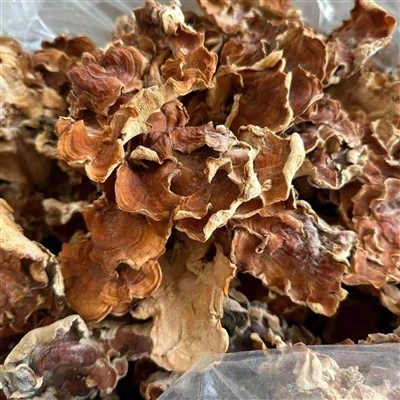
Just to wrap this up clearly: cordyceps has very few, mild side effects for most people, only when it’s misused, sourced poorly, or taken by people with specific health conditions. The benefits (energy support, athletic endurance, immune function) make it worth considering, as long as you’re educated and buy from a trusted supplier like us. We’re here to help you make the right choice for your health, no hype, no hidden stuff.
Dried Morel Mushroom References:
- Lindequist U, Niedermeyer TH, Jendressek A. The pharmacology of Cordyceps species. Journal of Ethnopharmacology. 2005;100(1-2):12-21.
- Paterson RR. Cordyceps: a fungal remedy for many ills? Journal of Ethnopharmacology. 2008;116(2):387-402.
- Zhang Y, Li X, Wang Y, et al. Safety evaluation of cultivated Cordyceps militaris in a 12-week human trial. Food and Chemical Toxicology. 2021;152:112135.
- European Food Safety Authority (EFSA). Safety of Cordyceps militaris as a food supplement. EFSA Journal. 2017;15(10):5002.
- Gulcin I, et al. Bioactive compounds and health benefits of Cordyceps species. Critical Reviews in Food Science and Nutrition. 2018;58(15):2577-2592.
Qingyuan Manchu Autonomous County Lichang Native Produce Co., Ltd.
We are one of the most professional cordyceps & wellness mushrooms manufacturers and suppliers in China, featured by quality products and good price. Please rest assured to wholesale bulk cordyceps & wellness mushrooms for sale here from our factory. Welcome to view our website for more information.
Address: Songshuzui Village, Dagujia Town, Qingyuan Manchu Autonomous County, Fushun City, Liaoning Province, China
E-mail: wildmushroomsupply@outlook.com
WebSite: https://www.wildmushroomsupply.com/
