As a supplier in the BMS (Battery Management System) connector industry, I’ve witnessed firsthand the critical role these components play in the power systems of various applications, from electric vehicles to energy storage units. One of the most remarkable features of BMS connectors is their self – locking mechanism. In this blog, I aim to comprehensively explore what the self – locking mechanism of a BMS connector is, its importance, how it works, and its various aspects. BMS Connector
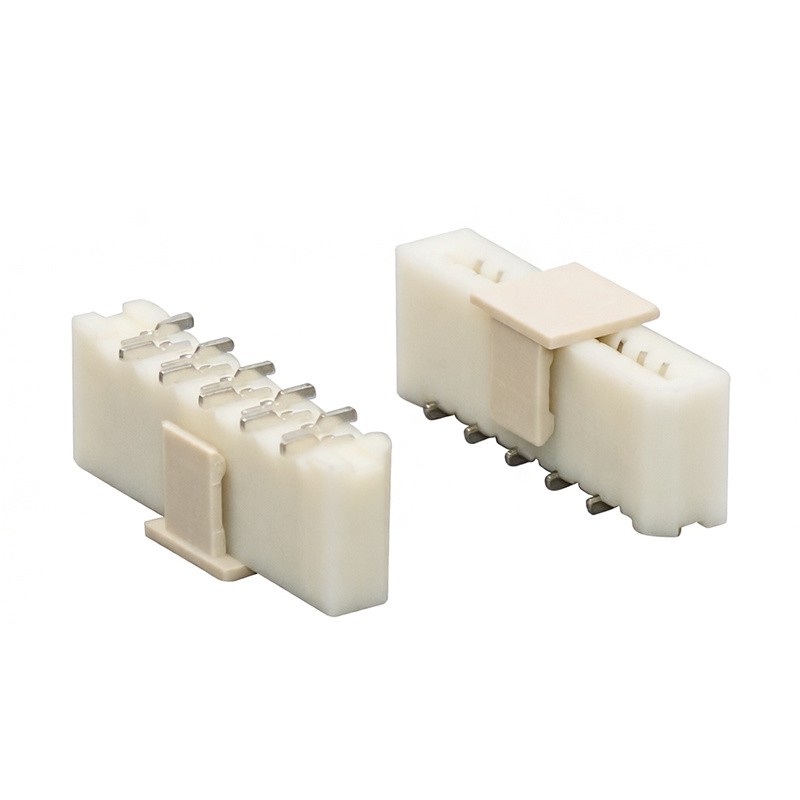
Understanding the Self – locking Mechanism
The self – locking mechanism of a BMS connector is a design feature that ensures the physical connection between the connector’s male and female parts remains secure and intact under different operating conditions. It prevents accidental disconnection, which could lead to power loss, system malfunctions, or even safety hazards in high – voltage or high – current applications.
This mechanism is not a one – size – fits – all solution. Different types of BMS connectors may use distinct self – locking principles based on their intended use, the environment they operate in, and the electrical requirements of the system.
The Importance of Self – locking Mechanisms in BMS Connectors
Safety
Safety is arguably the most crucial aspect in any electrical system. A reliable self – locking mechanism ensures that the connection between the battery and the management system is stable. In electric vehicles, for example, sudden disconnection of the BMS connector can lead to a loss of power while the vehicle is in motion, posing a significant risk to the driver and passengers. In energy storage systems, an accidental disconnection can cause electrical arcing, which may result in fires or explosions.
System Reliability
For the proper functioning of a BMS, a continuous and stable electrical connection is essential. The self – locking feature helps in maintaining this connection, reducing the likelihood of intermittent power supply or data transfer issues. This is particularly important in applications where real – time monitoring and control of battery parameters are required, such as in grid – scale energy storage systems.
Long – term Performance
A well – designed self – locking mechanism can also contribute to the long – term performance of the BMS connector. By preventing repeated disconnections and reconnections due to vibrations or mechanical shocks, it reduces wear and tear on the connector’s contacts. This, in turn, extends the lifespan of the connector and reduces the need for frequent replacements.
How the Self – locking Mechanism Works
Mechanical Locking
One of the most common types of self – locking mechanisms in BMS connectors is mechanical locking. This involves the use of physical features such as latches, clips, or screws.
Latches are often designed to snap into place when the male and female connectors are mated. They provide a quick and reliable way to secure the connection. Once the latch engages, it requires a certain amount of force to release it, preventing accidental disconnection. For example, some BMS connectors have spring – loaded latches that automatically lock when the connectors are pushed together.
Clips work in a similar way to latches but may have different shapes and actuation methods. They can be designed to grip the connector housing firmly, holding the two parts together. Screws, on the other hand, offer a more permanent and secure locking solution. They are often used in high – vibration or high – stress applications where a very strong connection is required. However, the use of screws may make the connection and disconnection process more time – consuming.
Magnetic Locking
Magnetic locking is another innovative self – locking mechanism used in some BMS connectors. In this system, magnets are embedded in the connector housing. When the male and female connectors are brought close to each other, the magnetic force attracts them, pulling them together and creating a secure connection.
The advantage of magnetic locking is its ease of use. It allows for quick and effortless connection and disconnection, which can be beneficial in applications where frequent changes or adjustments are required. Additionally, magnetic locks can provide a certain degree of alignment assistance, ensuring that the contacts are properly mated. However, magnetic locking may be less suitable for high – vibration environments, as the magnetic force may not be sufficient to withstand the vibrations and prevent disconnection.
Latent Heat – based Locking
Some advanced BMS connectors use latent heat – based locking mechanisms. These systems rely on a phase – change material that changes its state from solid to liquid and vice versa with a change in temperature. When the connector is mated, the phase – change material is heated, causing it to become liquid and flow into small cavities or channels in the connector housing. As it cools down, it solidifies, locking the connector in place.
This type of locking mechanism offers a high level of security and can be designed to be self – adjusting based on the operating temperature. However, it is a relatively complex technology and may be more expensive to implement compared to mechanical or magnetic locking.
Factors Affecting the Self – locking Mechanism
Vibration and Shock
In many applications, BMS connectors are exposed to vibrations and shocks. For example, in electric vehicles, the connectors are subjected to continuous vibrations from the vehicle’s movement and the operation of the engine. These vibrations can gradually loosen the connection if the self – locking mechanism is not strong enough. Therefore, when designing BMS connectors, it is essential to consider the level of vibration and shock that the connector will be exposed to and select an appropriate self – locking mechanism.
Temperature Variations
Temperature variations can also affect the performance of the self – locking mechanism. Materials used in the locking components may expand or contract with changes in temperature, which can alter the locking force. For example, in extremely cold temperatures, some plastics used in mechanical latches may become brittle and more prone to breaking. On the other hand, in high – temperature environments, the magnetic properties of magnets used in magnetic locking systems may change.
Chemical and Environmental Exposure
BMS connectors may be exposed to various chemicals and environmental factors, such as moisture, dust, and corrosive substances. These can damage the locking components and reduce the effectiveness of the self – locking mechanism. For example, moisture can cause rusting of metal parts in mechanical locks, while dust can interfere with the movement of latches or clips.
Selecting the Right Self – locking Mechanism for Your Application
When choosing a BMS connector with the appropriate self – locking mechanism, several factors need to be considered.
First, understand the specific requirements of your application. If your application involves high – vibration environments, a mechanical locking mechanism with a strong latch or screw may be the best choice. For applications where quick and frequent connection and disconnection are required, magnetic locking may be more suitable.
Second, consider the operating temperature range. If your system operates in extreme temperatures, make sure the self – locking mechanism is designed to withstand these conditions. For example, some connectors are specifically designed for high – temperature applications and use materials that can maintain their locking properties at elevated temperatures.
Finally, evaluate the environmental conditions. If the connector will be exposed to moisture, dust, or chemicals, choose a self – locking mechanism that is resistant to these factors. Some connectors come with special coatings or seals to protect the locking components from environmental damage.
Why Choose Our BMS Connectors
As a BMS connector supplier, we take pride in offering high – quality connectors with reliable self – locking mechanisms. Our engineering team has extensive experience in designing and manufacturing connectors that meet the diverse needs of our customers.

We use only the best materials in our connectors, ensuring durability and long – term performance. Our self – locking mechanisms are rigorously tested under various conditions to guarantee their effectiveness and reliability. Whether you need a connector for an electric vehicle, an energy storage system, or any other application, we have the right solution for you.
BMS Connector If you are in the market for BMS connectors with top – notch self – locking mechanisms, we encourage you to get in touch with us. Our sales team is ready to assist you in finding the perfect connector for your specific requirements. We can provide detailed product information, technical support, and even samples for testing. Don’t hesitate to start the conversation and explore how our BMS connectors can enhance the safety and reliability of your battery management systems.
References
- Groover, M. P. (2010). Fundamentals of Modern Manufacturing: Materials, Processes, and Systems. Wiley.
- Johnson, R. M. (2018). Electronic Connector Handbook. McGraw – Hill Education.
- Liebezeit, J. E. (2008). Connectors and Interconnect Systems for Optoelectronics and Telecommunications. Artech House.
Wenzhou JKUN Connector Co., Ltd.
As one of the most professional bms connector manufacturers and suppliers in China, we’re featured by quality products and low price. Please rest assured to wholesale bulk customized bms connector from our factory. For quotation and free sample, contact us now.
Address: No.2667, Ningkang East Road, Yueqing City, Zhejiang Province, China
E-mail: sales@cnjkun.com
WebSite: https://www.jkunjcj.com/
